


The story of a rodent’s unrelenting quest for fulfilment, by Steve Cutts
Read More about The story of a rodent’s unrelenting quest for fulfilment, by Steve Cutts
Read More about The story of a rodent’s unrelenting quest for fulfilment, by Steve Cutts

From Down to Earth: GDP does not reveal the ground truth about progress in development. The top 10% of Indians control the wealth basket while the common people—more than one billion—slide down along ‘Hunger Index’. While the government flaunts a surging economy, prevalence of hunger in India is at the “high end of serious category”….
Read More about Incredible India? GDP is growing, yet hunger getting worse
Delhi’s killer smog has been blamed on many things, but rarely on highly polluting industrial fuels like petcoke. India is the world’s biggest importer of this dirtiest of fuels, banned in most countries. Last month, the Supreme Court banned it in the NCR; but given the big players involved, who will ensure the ban’s implemented?…
Read More about Spotlight: Is ‘petcoke’ the hidden villain in Delhi’s pollution crisis?
In a significant article in The Citizen, Dr A.Gopalakrishnan, the former Chairman of the India’s Atomic Energy Regulatory Board, writes: An overall evaluation of the status of the Indian civilian nuclear power sector, and the government’s uncertain future plans, do cause a great deal of concern for the welfare of the country and the safety…
Read More about Former regulatory chief: India must freeze all plans for nuclear expansion
Colin Todhunter writes: Despite four high level government reports that have advised against adopting Genetically Modified crops in India, there are alarming reports of GM okra, soyabean & brinjal being cultivated illegally in thousands of acres. The industry’s strategy is to flood the country with illegal GMOs so that there’s nothing you can do about it….
Read More about Illegal GMOs and the criminal plan to alter the genetic core of India’s food system
7 Days of Rest, 1 – 7 January 2018, is a global unifying event, dedicating 2018 and beyond to the healing and replenishment of the planet and its inhabitants. It seeks to initiate coordinated, unified global action to catalyse mass awareness about the earth’s looming ecological and civilisational crises, in an immediate and effective way….
Read More about 7 Days of Rest: A global event for healing the planet and its inhabitants
Indian Express
Jindal, Adani, Vedanta are the Big Three who are transporting most of the millions of tonnes of coal unloaded at Goa’s Mormugao Port every year. In a painstaking investigation carried out over four months, Smitha Nair of The Indian Express tracked three key coal routes to find a trail of health hazards and environmental damage….
Read More about How coal is choking Goa: An investigation by The Indian Express
Representative pic
Himanshu Thakkar writes: Can we expect any improvement in state of our water resources under the new minister Shri Nitin Gadkari? It was interesting that after taking over the portfolio from Uma Bharti, Gadkari’s first stop was Maharashtra, to offer the Chief Minister Rs 55 000 crores for same corruption-ridden irrigation projects in three years….
Read More about India’s big dam mania brings achche din to its corrupt dam lobby
As their growth slows in the wealthiest countries, multinational food companies like Nestlé and PepsiCo have been aggressively expanding their presence in developing nations, unleashing a marketing juggernaut that is upending traditional diets from Brazil to Ghana to India. A detailed expose of the politics and economics of junk food, by The New York Times….
Read More about Exposé: How big business got Brazil hooked on junk foodBillions in Change, the brainchild of Indian-American entrepreneur Manoj Bhargava, shows how simple but life-changing inventions provide clean water, electricity, and improve rural lives. The innovations include a RainMaker device that can turn dirty water clean, a low-cost, portable solar-based power generator and a ‘cost-free fertilizer’ that is made by gathering whatever is laying around….
Read More about Manoj Bhargava’s simple inventions could be a game changer for Indian villages
A documentary on Mali, where agribusiness is turning local farmers into labourers
Industrial farming, which gets all the attention (and most of the land), accounts for more than 80% of fossil fuel emissions and uses over 70% of the water supply in agriculture, actually produces only about 30% of the world’s food. It’s the diverse network of small-scale producers-the ‘Peasant Food Web’-that feeds 70% of the world….
Read More about Who feeds us? The Peasant Food Web vs. the Industrial Food Chain
From The Citizen: “Hitler used organophosphate gases to execute thousands in his gas chambers, we are now using the same to kill our farmers in the open fields,” said Kishor Tiwari on the recent deaths of more than 40 farmers from pesticide poisoning in Maharashtra’s Yavatmal. Tiwari heads a government task force for farmers’ welfare….
Read More about “Hitler used it in gas chambers; We’re using it in the open fields”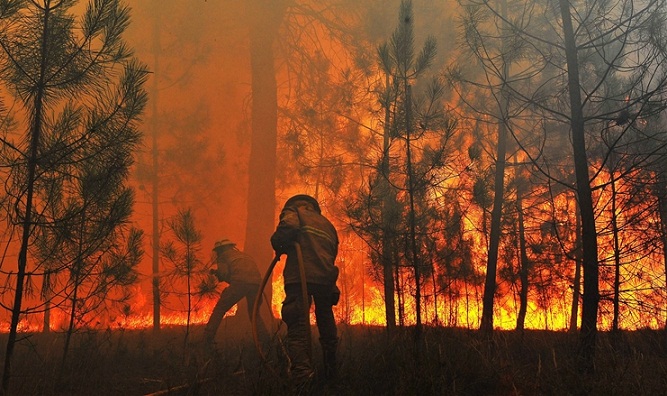
From Yale Environment 360: The wildfires presently raging in California are no exception. The increase in forest fires, seen from North America to Brazil, from the Mediterranean to Siberia, is directly linked to climate change, scientists say. And as the world continues to warm, there will be greater risk for fires on nearly every continent….
Read More about Stark evidence: A warming earth is sparking more and bigger wildfires
As much as any book can, Rachel Carson’s “Silent Spring” changed the world, by describing it. An immediate best-seller, this classic book launched the modern environmental movement, which, in turn, led to the creation of the U.S. Environmental Protection Agency, and a host of green laws. On the 55th year of its publication, a tribute….
Read More about How ‘Silent Spring’ ignited the modern environmental movement
Kurt Cobb writes: We’ve created a world of low-maintenance objects which are low-maintenance merely because they are disposable… Philosophers bemoan our love of material things. But I believe that we modern, industrialized people don’t actually love material things. We wouldn’t treat material things the way we do if we truly loved and cared for them….
Read More about The high cost of an easy-care, low-maintenance world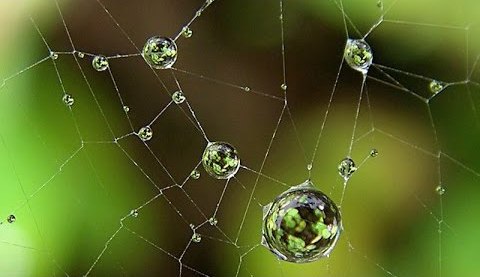
We consume more, we fill the atmosphere with carbon dioxide. We have more stuff, our lives are more convenient, yet we’re not happier. Prof. Jules Pretty sets out a plan to engage people with Nature and create more sustainable and enjoyable living for everyone. The first call to action is: “Every child outdoors every day”….
Read More about A manifesto for the green mind
From The Guardian: Chemicals and agribusiness giant Bayer has approached the European Union to approve its $65bn takeover of Monsanto, eliminating direct competition between two of the biggest players in the industry. If approved, the merger would be an extremely risky consolidation of corporate power, and a serious threat to food supplies and farmers worldwide….
Read More about This corporate merger threatens food supplies worldwide. Who’ll stop it?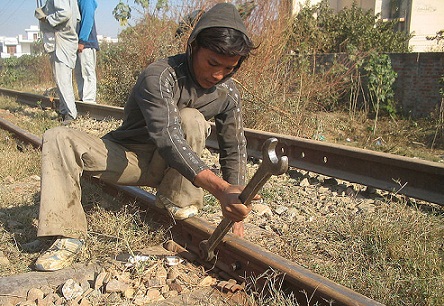
From Climate Central: If greenhouse gas emissions continue on their current trajectory, parts of eastern India and Bangladesh will exceed the 95°F threshold by century’s end, a study by the Massachusetts Institute of Technology has found. The findings raise the issue of environmental justice, as these populations have done the least to cause global warming….
Read More about New study: Extreme heat will hit India’s most vulnerable the hardest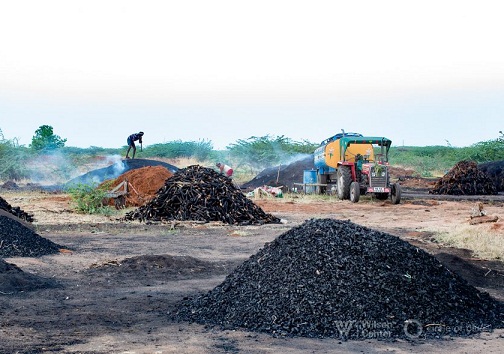
Representative pic
From Sanhati: A history of the 240 year-old Raniganj Coalfield– the story of its workers –the many lives that have been spent in its shadows, displaced by coal and depending on it for survival –would be a tale every bit as expansive as the Mahabharata. This two-part article gives a short glimpse of this history….
Read More about A window into coal workers in India: The history of Raniganj Coalfield
Ecologise has consistently driven home that humanity needs to prepare for unprecedented environmental, economic and socio-political upheaval and uncertainty in the 21st century. In this new series, we showcase free short-duration online courses that focus on these various emerging crises and possible responses. Created by the world’s leading universities, they offer a good starting point to explore these complex challenges….
Read More about Module 4: Soil Fertility & Food Security